

£56.00 - or subscribe and save up to 15%
260 in stock
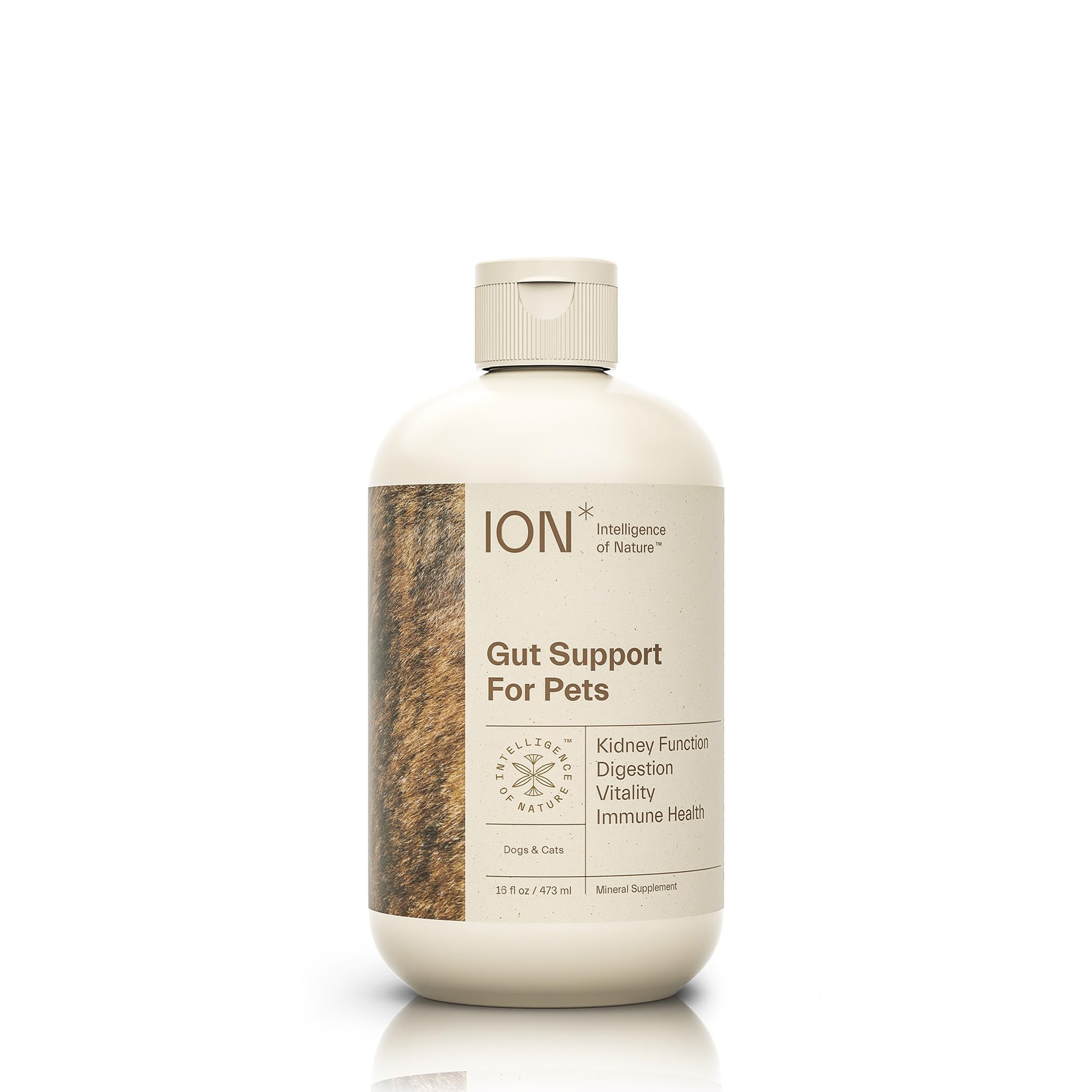
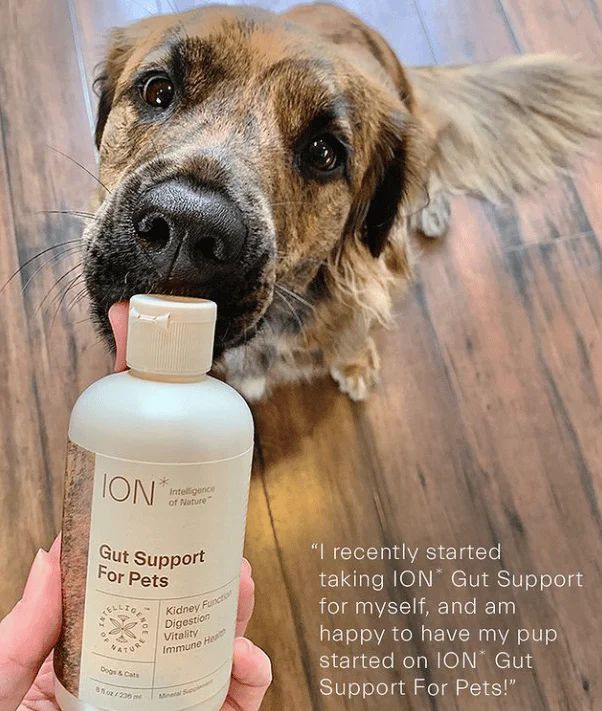
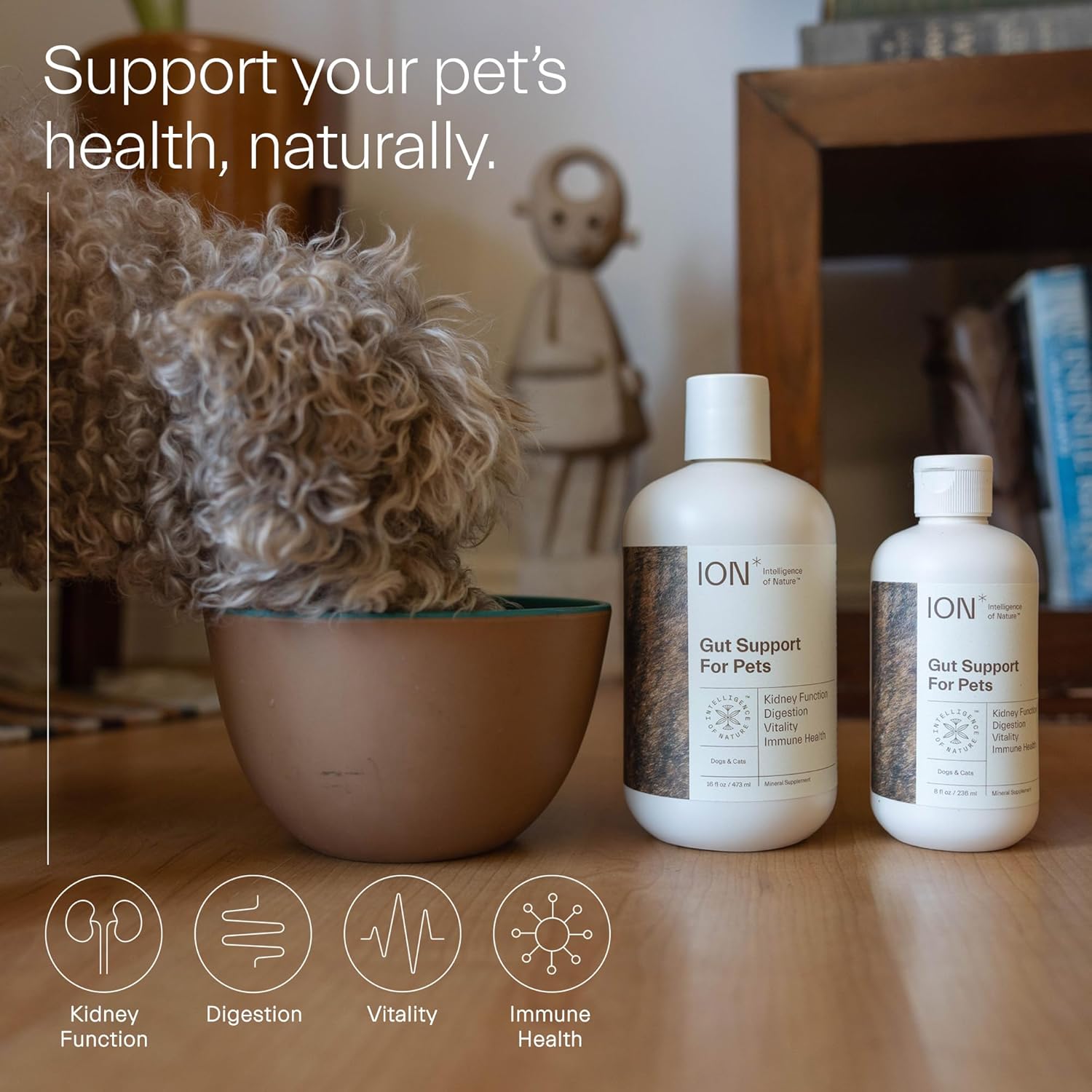
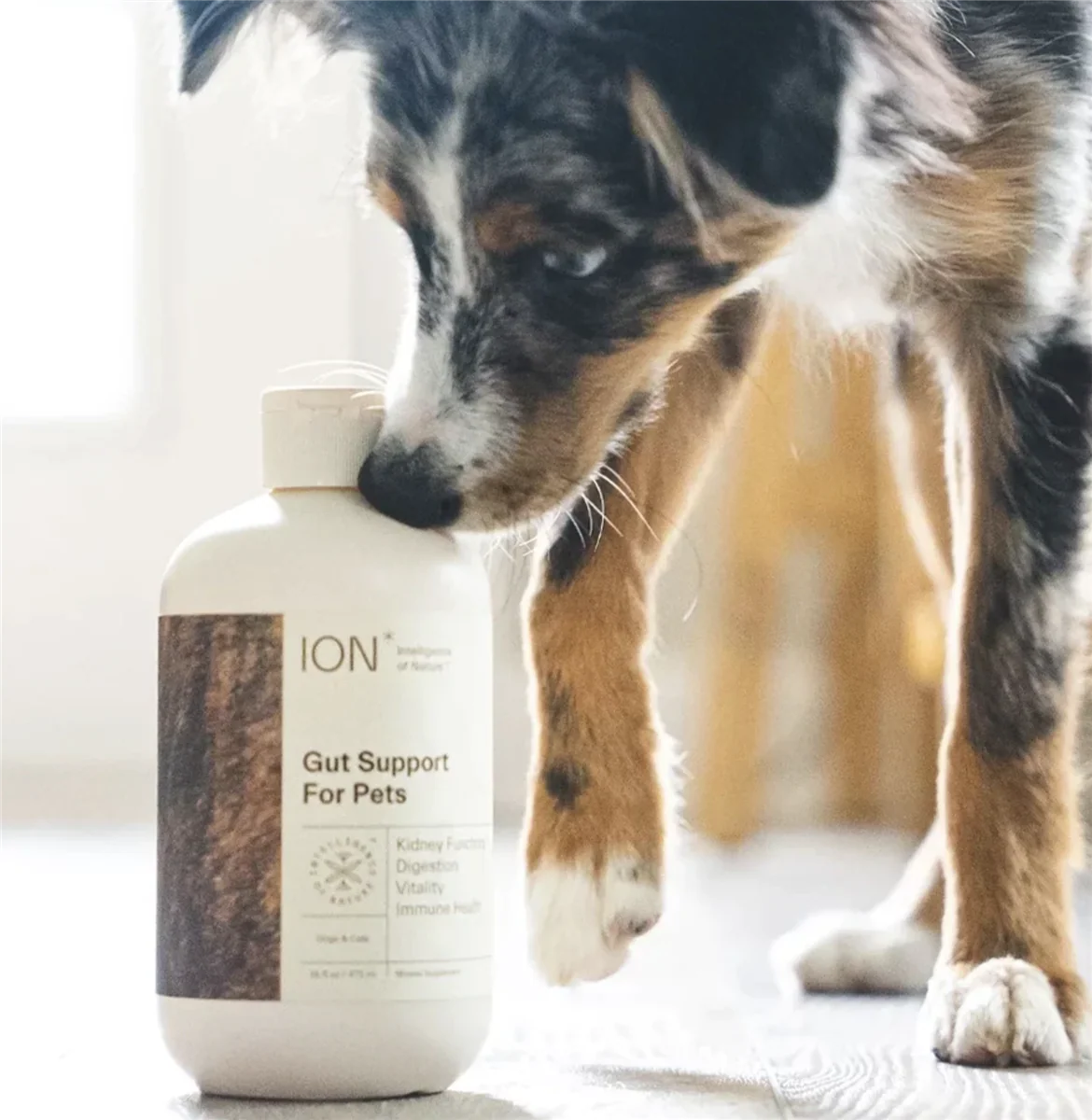
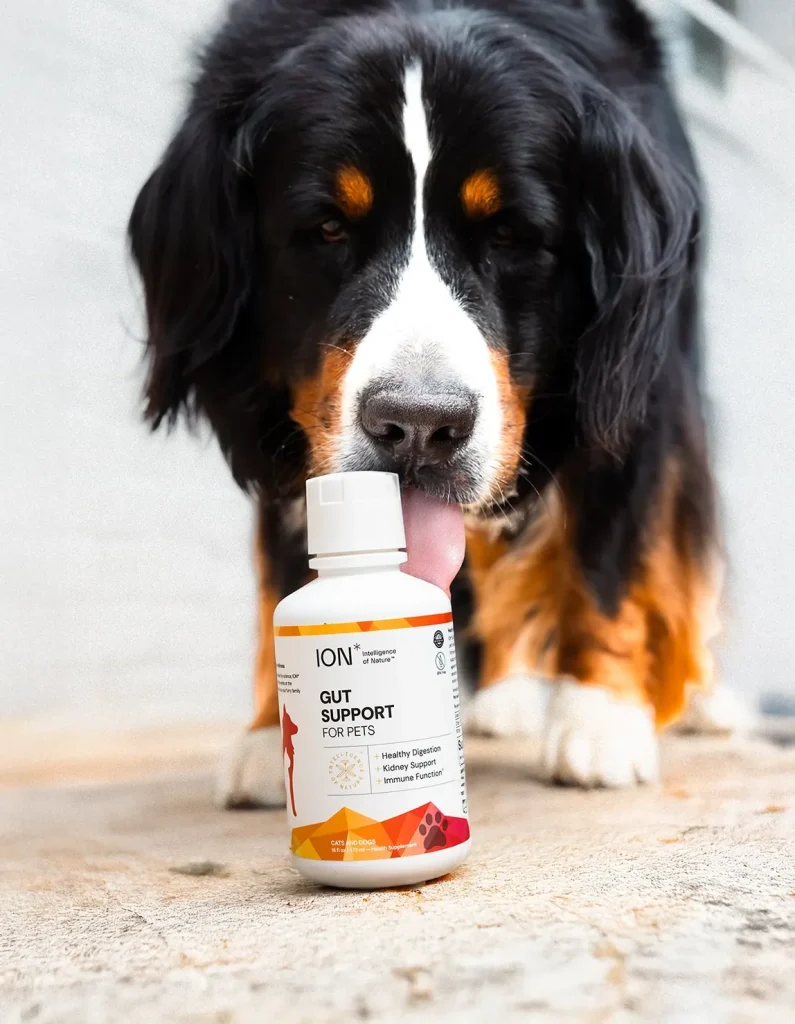
ION* Gut Support For Pets is more than a supplement, it’s foundational support for vibrant health.
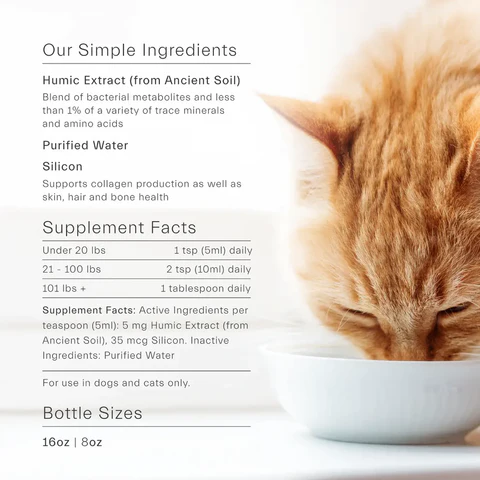
Our all-natural, soil-derived digestive aid is made with an innovative humic extract blend, along with filtered water, silicon, and trace minerals. Together, these ingredients strengthen the gut lining, improve nutrient absorption, and support kidney health in both cats and dogs.
Gentle enough for everyday use and certified glyphosate-residue free, Gut Support For Pets is carefully tailored for your four-legged family members, helping pets thrive from the inside out.
Humic Extract, Filtered Water, Silicon
This innovative formula strengthens the gut lining, defends against toxins, and improves nutrient absorption.
Daily Dosage by Weight:

Taking care of a beloved pet’s health is important for any animal lover. Of course we want them to be as healthy, and live as long as possible. Today, that endeavor may pose more challenges due to how often our furry family members are exposed to inflammation-causing toxins, which are root causes for a wide swath of issues and diseases.
While everything, from the environment to their food, can be a risk there are things you can do to help.
In short, inflammation refers to the body’s response to foreign entities, toxins, and cellular injury. And not all inflammation is bad! Think about a bug bite. That red, itchy, swelling response is actually a good sign that the body is springing into action to protect your pet from outside pathogens and bacteria.
The problem is chronic inflammation, when the body’s elevated response level remains on alert for long periods of time, stressing out the immune system and causing all sorts of problems. That’s because our pets’ bodies (and ours too for that matter) were not designed to function on alert like this all the time. Yet, they often are.
This kind of response is often described as “low grade” because it’s not like a visible red, swollen bug bite, but the inflammation is there, just operating in the background on a “lower” unseen or less obvious level.
Our pets can’t tell us when they’re not feeling well, but there are signs we can look to. No matter where the inflammation is–skin, joints, digestive tract–inflammation usually causes pain, which affects your pet’s behavior. No interest in playing, loss of appetite, and even “not being themselves” can be the outward signs something is off.
Inflammation can happen all over the body, but here are some of the most common problems.
Skin issues
Itchy skin, rashes, and bald spots can be signs of excess inflammation in your pet. Scratching, licking, excessive grooming are typically symptoms that stem from your pet trying to get some relief. Secondary infections (caused by scratching or licking that leaves the skin susceptible for bacteria), fur loss, scabs, and redness can stem from skin issues caused by inflammation.
Gum disease
Especially because most pets don’t get a daily tooth brushing, gum disease can arise – and with it, problem-causing inflammation. Gum disease begins with a buildup of plaque on the teeth and plaque actually starts forming on your pets’ teeth pretty much immediately after they eat. Plaque is a sticky film made of up food, saliva, bacteria and other tiny particles. Because the bacteria in plaque is seen as a foreign entity to your pet’s system, their gums can become inflamed as a response, causing a condition called gingivitis. If gingivitis is allowed to prolong, it becomes a more serious condition called periodontitis–chronic, painful inflammation of the gums that begins destroying gum tissue that’s attached to the tooth. This chronic inflammatory response is unfortunately five times more common in dogs than people because dogs’ mouths are more alkaline, which actually promotes plaque formation. Woof.
Ear infections
Ear infections, or otitis externa, is a condition that causes inflammation with tell-tale redness and swelling of the external ear canal with symptoms that include ear pain, itchiness, and discharge. Ear infections in pets can be caused by a myriad of things, like bacterial or fungal infections, external irritation, and allergies. In recent studies, these types of infections have been shown to create excess inflammatory cells – that is, excess inflammation.
Obesity
Many of our pets are overweight. An easy way to check? See if you can feel their ribs, this is a pretty good sign of a healthy weight. If not, their weight could be cause for concern and probably is worth a conversation with your vet. Beyond being simply overweight, obesity specifically is when a pet is at least 30% over their healthy, ideal weight and is cause for concern. Whether overweight or obese, inflammation from either can be harmful and affect your pet’s ability to foster a proper immune response.
So, yes, if your pet is overweight it’s probably a good idea to reduce their food intake and bump up their activity to help their health. But it may not be enough to avoid inflammation altogether. That’s because pet foods, especially the most common commercially available ones, face the same toxin exposure our foods do, especially to glyphosate.
Glyphosate, the active ingredient in many herbicides, has been a topic of much debate in recent years due to its potential health risks. Shockingly, it’s not just found in crops intended for human consumption but also in the ingredients used to make pet food. Dogs and cats can be exposed to glyphosate through their diet, leading to concerns about its impact on their health. Studies have linked glyphosate exposure to various health issues in pets, including digestive disorders, kidney disease, and even cancer.
But glyphosate isn’t the only toxin lurking in your pet’s food. Other contaminants, such as heavy metals and mycotoxins, can also find their way into commercial pet foods. These toxins can have detrimental effects on your pet’s health, ranging from neurological problems to immune system disorders.
While it’s impossible to completely eliminate your pet’s exposure to toxins, there are steps you can take to minimise their risk and promote their overall health. (Phew!)
1. Opt for Organic: Choose organic or natural pet foods that are free from artificial additives, pesticides, and GMOs. Look for products that are certified organic to ensure quality and safety.
2. Read Labels: Take the time to read and understand the ingredients list on pet food labels. Avoid products that contain potentially harmful additives or preservatives.
3. Provide Fresh Water: Make sure your pet has access to clean, fresh water at all times. Consider investing in a water filter to remove impurities and contaminants.
4. Limit Chemical Exposure: Be mindful of the household products you use around your pet. Opt for pet-safe cleaners and avoid using pesticides or herbicides in areas where your pet spends time.
5. Regular Vet Check-ups: Schedule regular check-ups with your veterinarian to monitor your pet’s health and catch any potential issues early on.
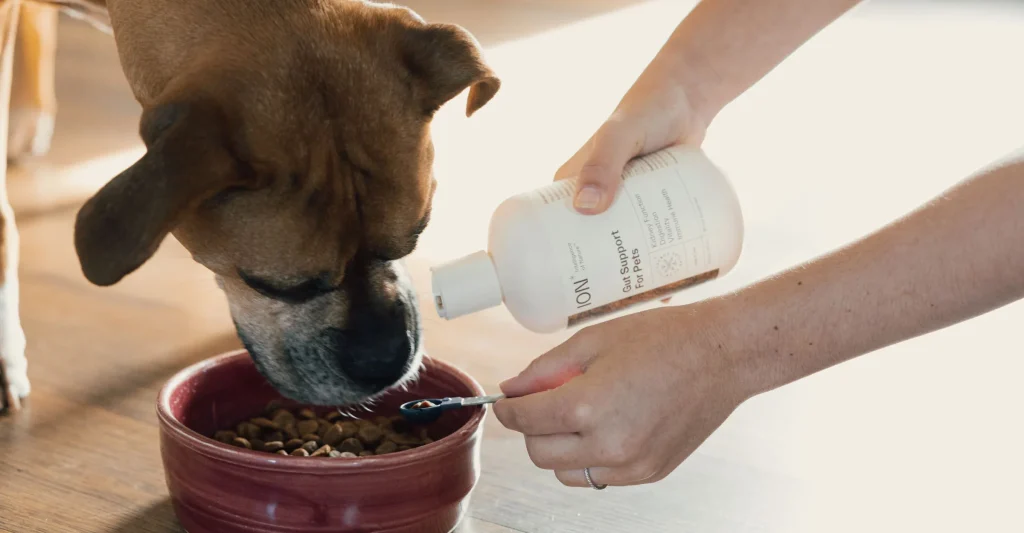
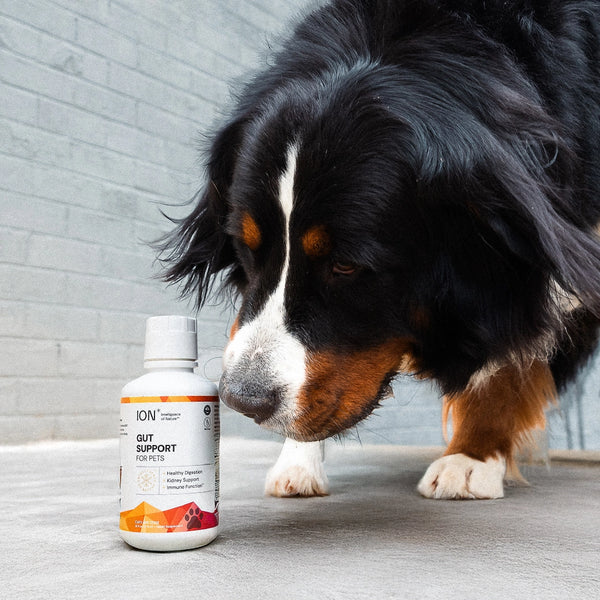
6. ION* Gut Support For Pets: Protect your pet from toxins, naturally and easily. ION* Gut Support For Pets reinforces cellular connection, supporting a healthy terrain for a diverse microbiome while strengthening your pet’s barriers against toxins. Healthy membranes facilitate the movement of minerals and nutrients across cell membranes, also pulling in water to support natural hydration.
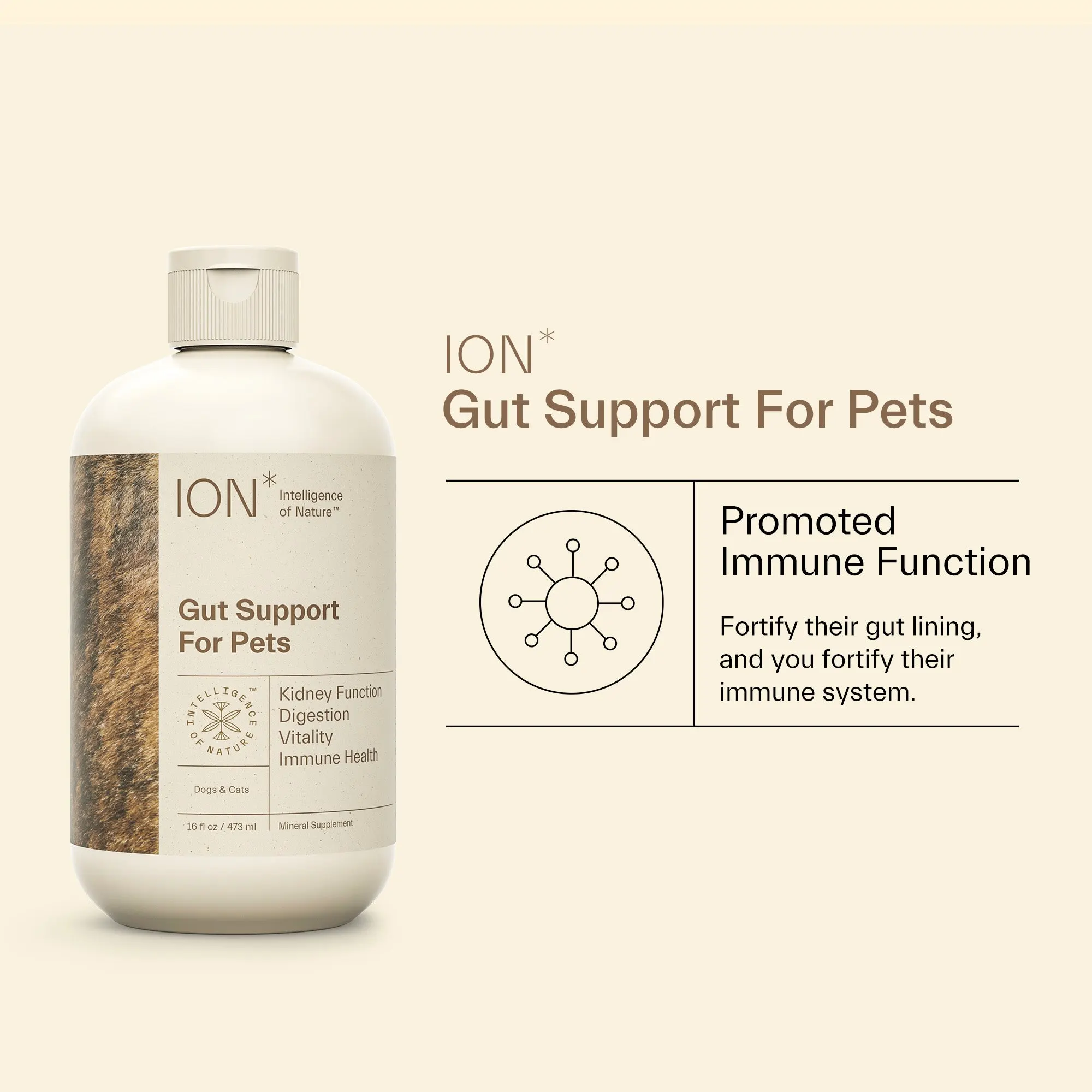
When the gut can function as it was created to, there’s a cascading positive effect for the rest of your pet’s body. Tighter cellular junctions mean a better terrain for the microbiome to diversify, meaning a better environment to support good gut bacteria, and more good gut bacteria mean better immune response. A stronger gut also means less toxins and inflammatory particles getting through that can spark an immune response. A strong gut lets the good stuff in and keeps the bad stuff out.
The lining of the kidney can be damaged by food toxins, herbicides, and pesticides (much like the lining of the gut), ION* Gut Support For Pets is proven to strengthen RPTs (Renal Proximal Tubules), the important barrier cells of the kidney that help not only to filter but act as a barrier between blood and waste products.
Going beyond the function of probiotics, ION* Gut Support For Pets seals cells in the gut lining to strengthen the terrain upon which the microbiome can diversify and thrive.
Ancient soil-derived humic extract helps tight junctions to keep toxins out while improving nutrient absorption and hydration.
With tight junctions intact and a strong gut lining, ION* Gut Support For Pets helps to reduce gas and bloating while supporting optimal digestion.
Humic extract from ancient soil (rich in beneficial bacterial metabolites) is at the heart of ION* Gut Support For Pets.
By reawakening 60-million-year-old soil carbons frozen in time, we reconnect your pet with their inherent vitality.
When the gut can function as it was created to, there’s a cascading positive effect for the rest of your pet’s body.
Tighter cellular junctions mean a better terrain for the microbiome to diversify, meaning a better environment to support good gut bacteria, and more good gut bacteria mean better immune response.
A stronger gut also means less toxins and inflammatory particles getting through that can spark an immune response. A strong gut lets the good stuff in and keeps the bad stuff out.